News
News
In an article recently published in the International Comparative Legal Guides (ICLG)’s Sanctions Laws and Regulations 2027 guide, entitled “Where sanctions meet criminal law: blurring of legal boundaries”, William Julié, Elena Moreno and Amélie Beauchemin examine the European Commission and the High Representative’s proposal of 9 July 2026 for a
On 22 September, after a one-week delay and a few hours before midnight, the Member States agreed to renew the EU sanctions list targeting Russia. The agreement provides for the delisting of three natural persons, including Alisher Usmanov and Mikhail Fridman, and one legal entity. It locks in the amended
From 16 to 17 September, Amélie Beauchemin attended a conference on the EPPO and the Protection of the European Union’s financial interests, held at the Fondazione Lelio e Lisli Basso in Rome. She was invited as co-author, with William Julié, of the French chapter of the European Public Prosecutor’s Office
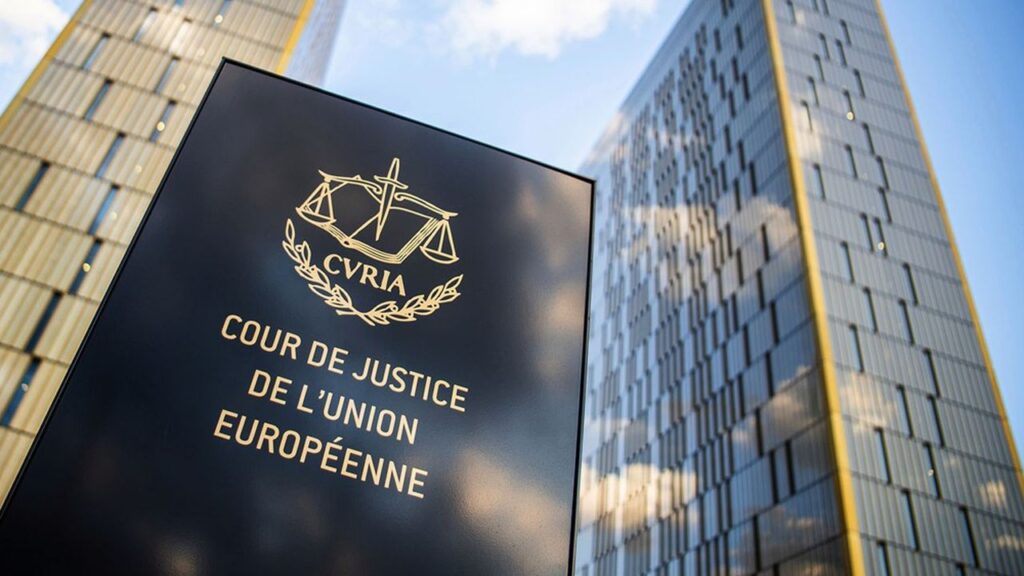
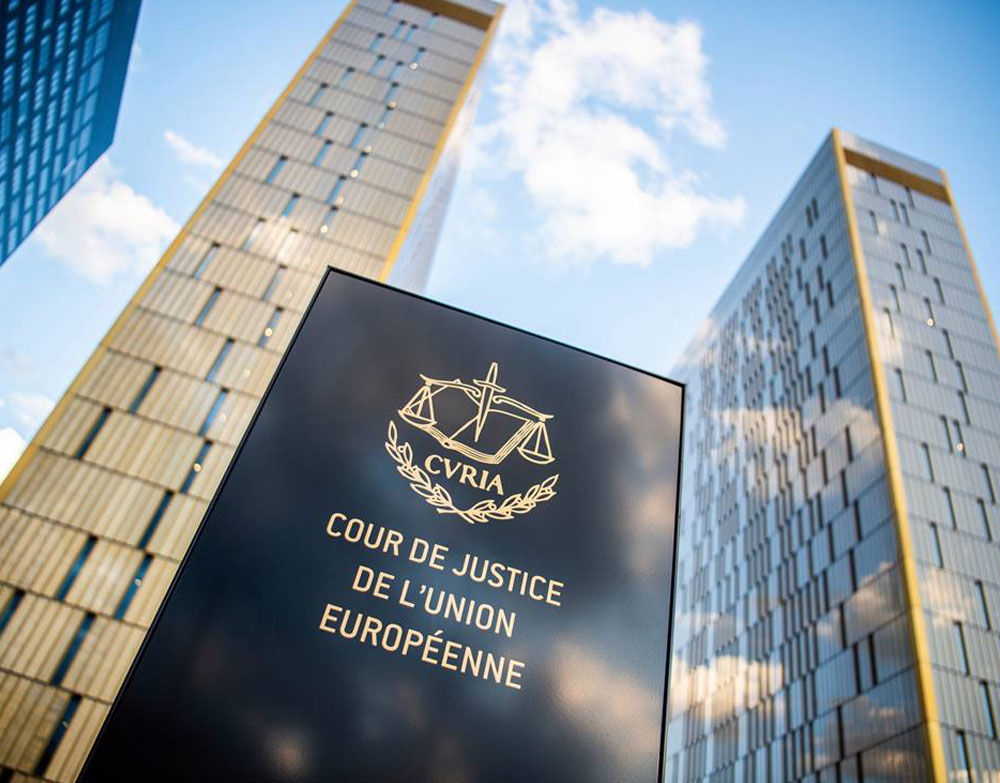
On 3 September, the Court of Justice of the European Union clarified the mechanism for freezing assets at national level. The practice has spread with the application of EU sanctions but remains poorly defined, at both EU and domestic levels. William Julié discussed the Court’s ruling with Andrew Rettman for
The Sanctions Committee of the French Anticorruption Agency (AFA) has, for the first time since its creation, imposed a financial penalty [1] on a company and its CEO for failing to fulfil their legal obligations to implement compliance programmes, without a preliminary injunction. As a reminder, the Sapin II Law
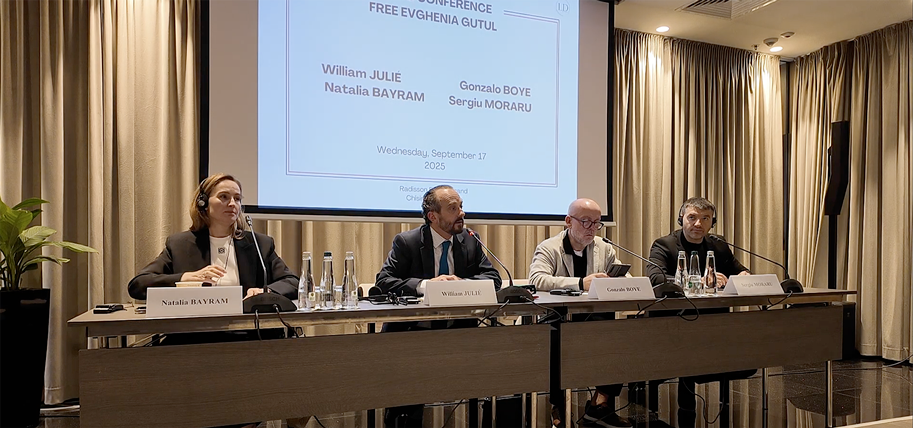
William Julié recently participated in a virtual press conference dedicated to the legal challenge brought before the General Court of the European Union against the restrictive measures adopted by the Council of the European Union against Mr. Jacques Baud. Mr. Baud, a retired Colonel of the Swiss Army General Staff
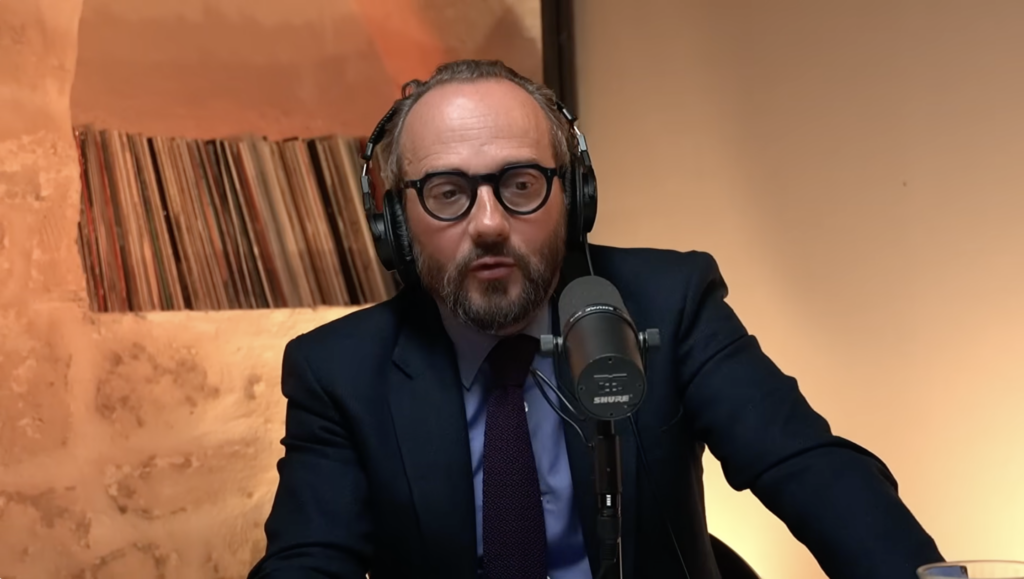
William Julié took part in a discussion among European lawyers on the comparisons between the French and English legal systems, during the ECBA’s annual conference in Barcelona, on the Full Comment podcast hosted by Danielle Reece-Greenhalgh and Edward Grange.
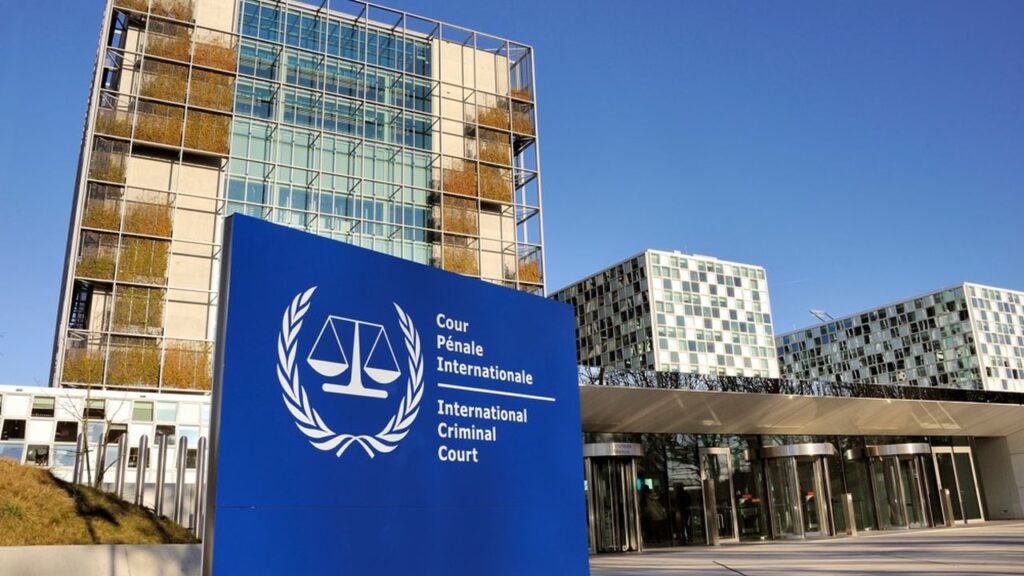
Speaking on RFI – Radio France Internationale, William Julié provided his legal analysis of the submission by the israeli NGO Shurat HaDin to the International Criminal Court, highlighting the complexity of the mechanisms for establishing international criminal liability as well as the particularly high evidentiary standards required by the ICC.
William Julié provided his legal analysis of the communication submitted by the NGO Shurat HaDin to the International Criminal Court, which illustrates the complexity of the mechanisms for triggering international criminal responsibility and the particularly high evidentiary requirements before the ICC. He noted that the NGO has indicated its view
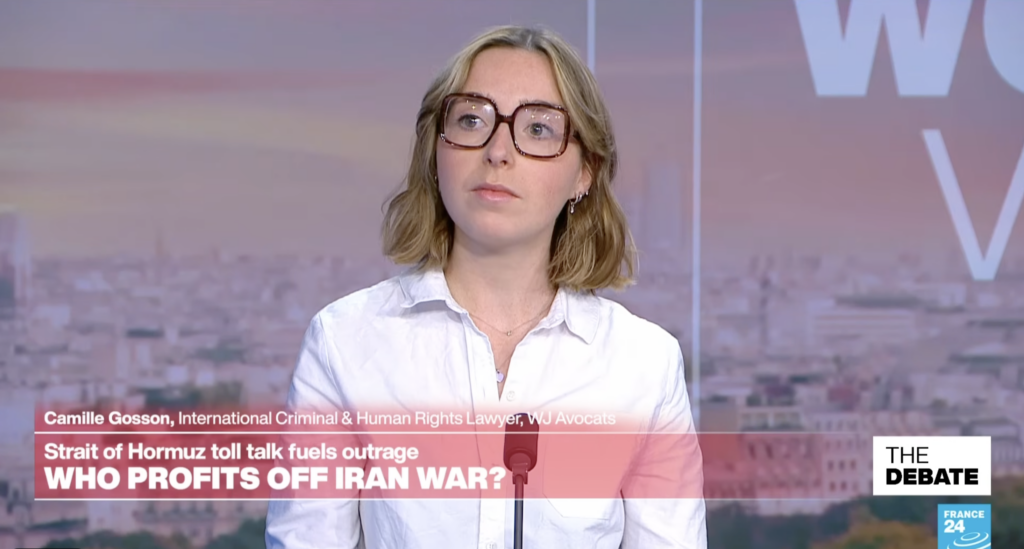
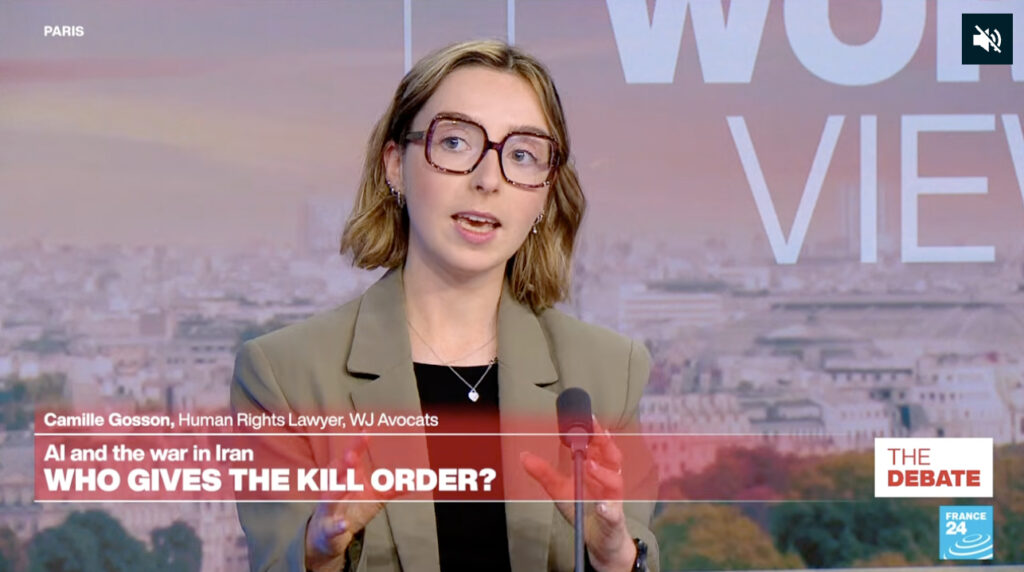
On The Debate on France 24, Camille Gosson examined questions surrounding the accountability of those who profit from armed conflicts, the ethical issues faced by companies, the means of identifying such practices, and the mechanisms likely to deter those who might be tempted to engage in them. She also stressed
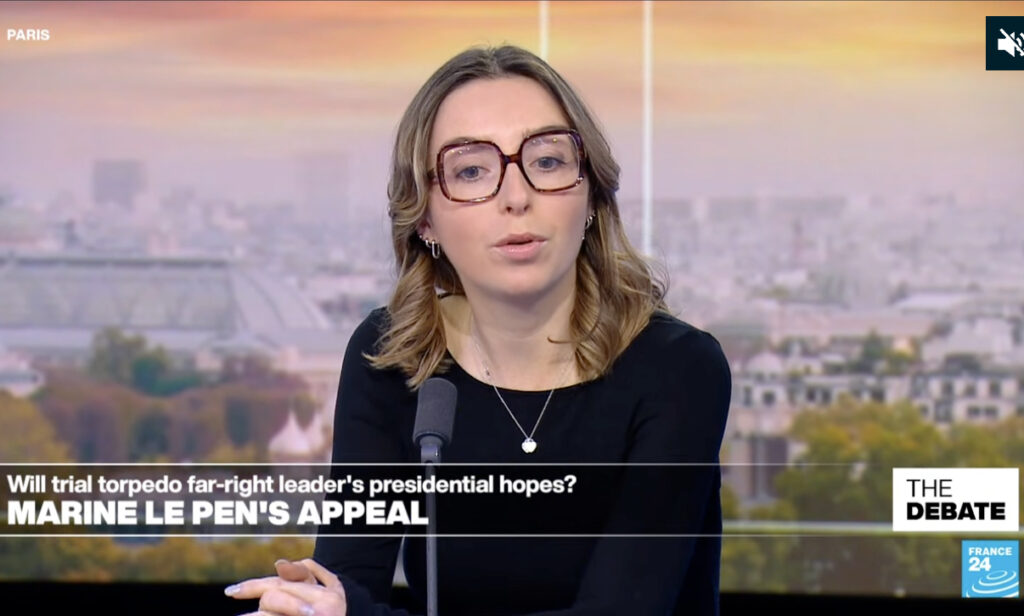
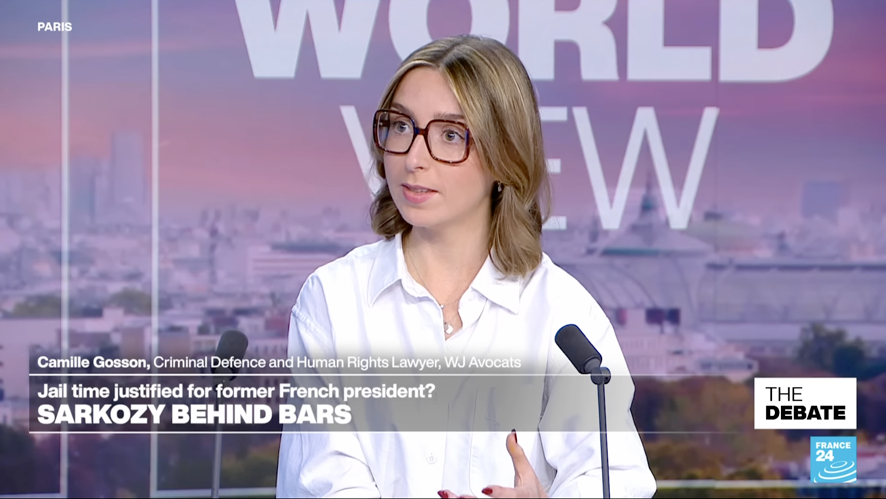
Camille Gosson participated to The Debate, on the day Nicolas Sarkozy started executing his sentence, as the Court of First Instance found him guilty of criminal conspiracy and convicted him to 5 years of imprisonment, with immediate effect, despite his appeal and the principle of suspensive effect under French law.
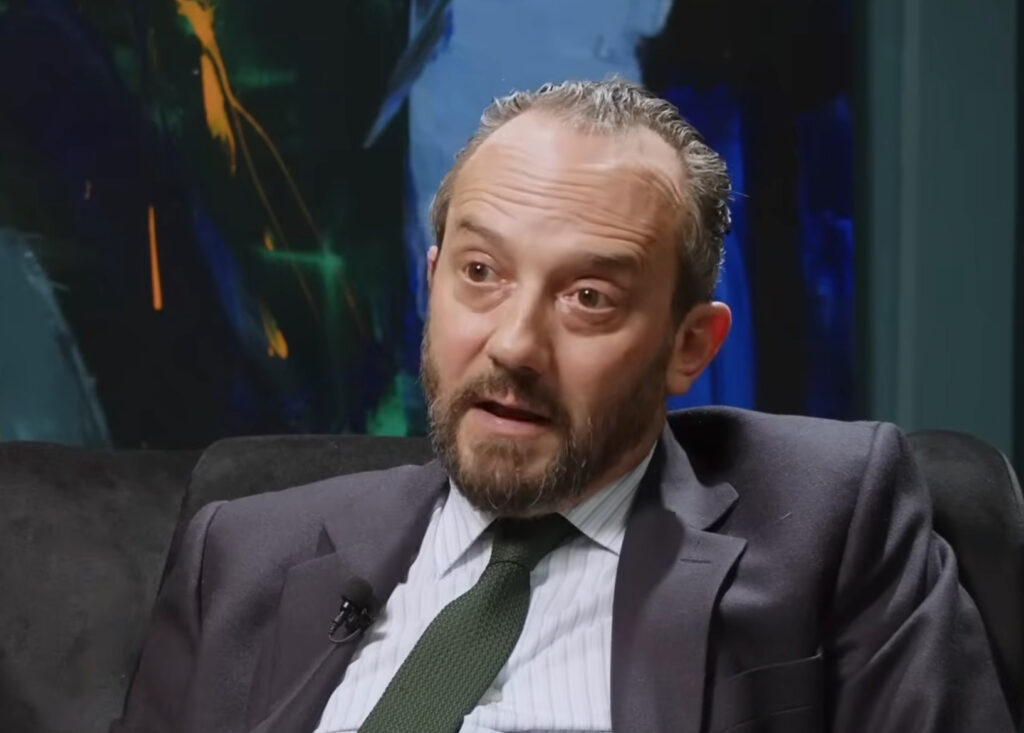
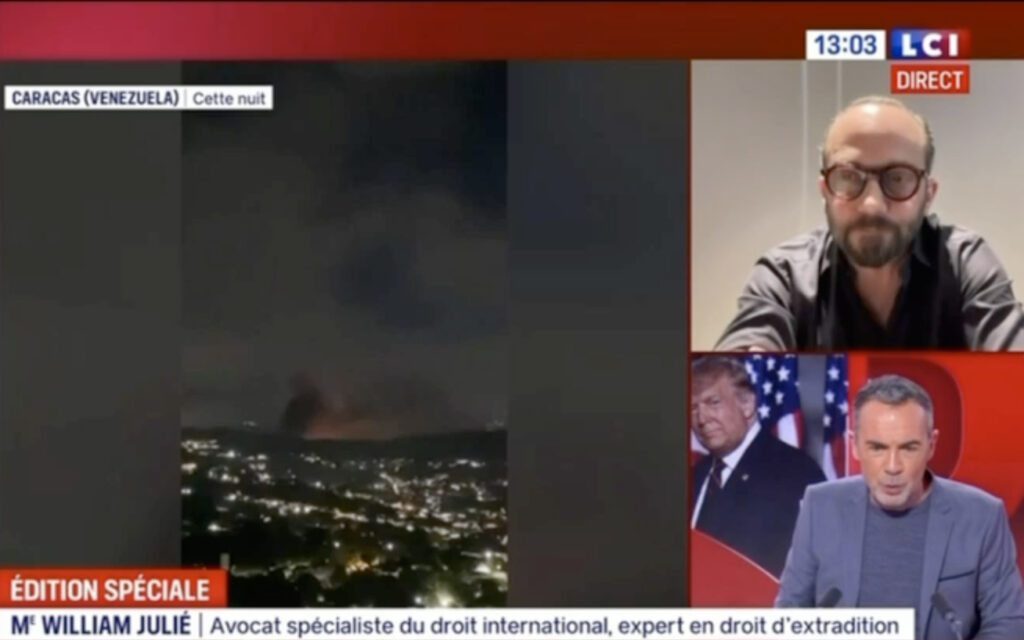
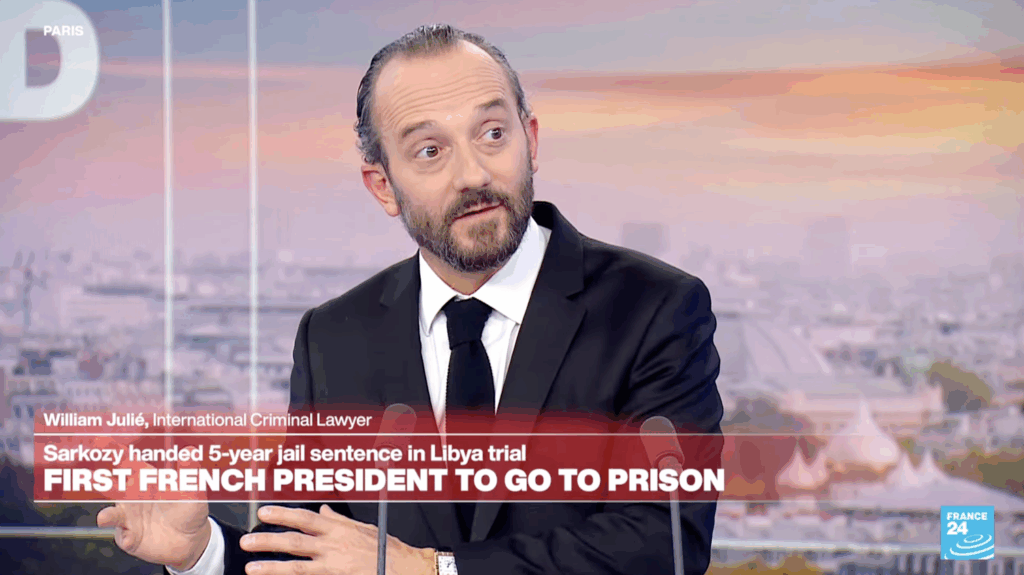
William Julié comments on the recent conviction of former French President Nicolas Sarkozy, who was sentenced to five years’ imprisonment for criminal association in connection with the “Libyan case.” He provides insight into the nature of this offence as well as the mechanism of provisional enforcement of the sentence.
On 22 September, after a one-week delay and a few hours before midnight, the Member States agreed to renew the EU sanctions list targeting Russia. The agreement provides for the delisting of three natural persons, including Alisher Usmanov and Mikhail Fridman, and one legal entity. It locks in the amended
On 3 September, the Court of Justice of the European Union clarified the mechanism for freezing assets at national level. The practice has spread with the application of EU sanctions but remains poorly defined, at both EU and domestic levels. William Julié discussed the Court’s ruling with Andrew Rettman for
In an article recently published in the International Comparative Legal Guides (ICLG)’s Sanctions Laws and Regulations 2027 guide, entitled “Where sanctions meet criminal law: blurring of legal boundaries”, William Julié, Elena Moreno and Amélie Beauchemin examine the European Commission and the High Representative’s proposal of 9 July 2026 for a
The Sanctions Committee of the French Anticorruption Agency (AFA) has, for the first time since its creation, imposed a financial penalty [1] on a company and its CEO for failing to fulfil their legal obligations to implement compliance programmes, without a preliminary injunction. As a reminder, the Sapin II Law
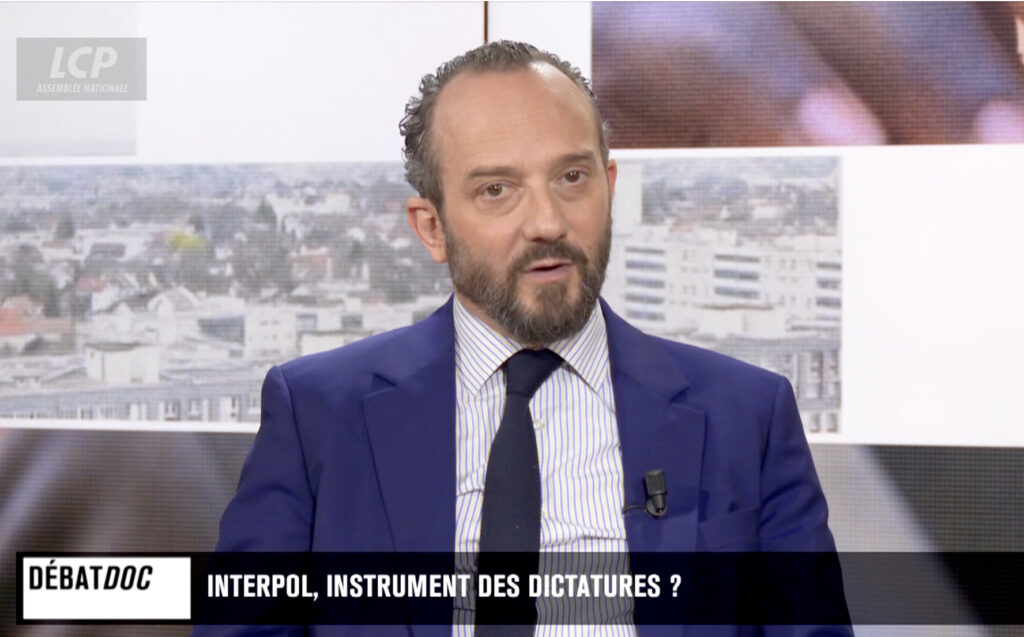
The European Criminal Bar Association has published a report entitled “Safeguarding INTERPOL’s Systems: Recommendations for Reform”, which William Julié and Camille Gosson co-authored with fellow INTERPOL practitioners Vânia Costa Ramos, Rebecca Niblock, Alex Tinsley, Jago Russell, and Sören Schomburg. This report was prepared with the active engagement of the Commission
Review of the 2024 CCF Activity Report, accessible here: https://www.interpol.int/Who-we-are/Commission-for-the-Control-of-INTERPOL-s-Files-CCF/About-the-CCF
Speaking on RFI – Radio France Internationale, William Julié provided his legal analysis of the submission by the israeli NGO Shurat HaDin to the International Criminal Court, highlighting the complexity of the mechanisms for establishing international criminal liability as well as the particularly high evidentiary standards required by the ICC.