News
News
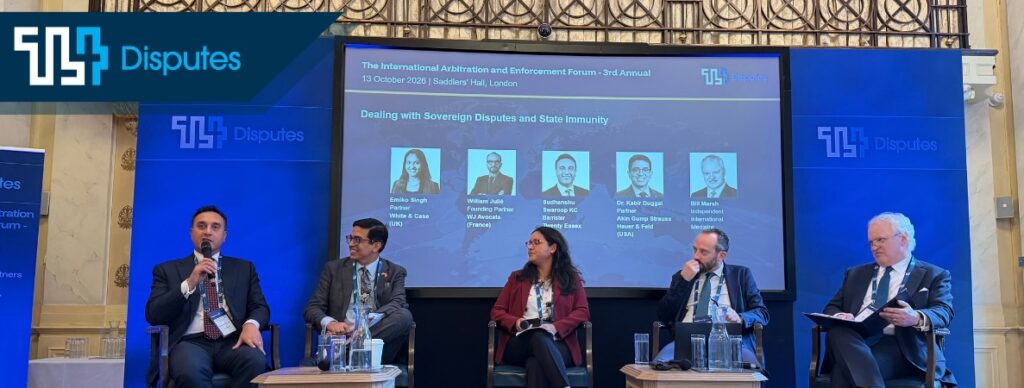
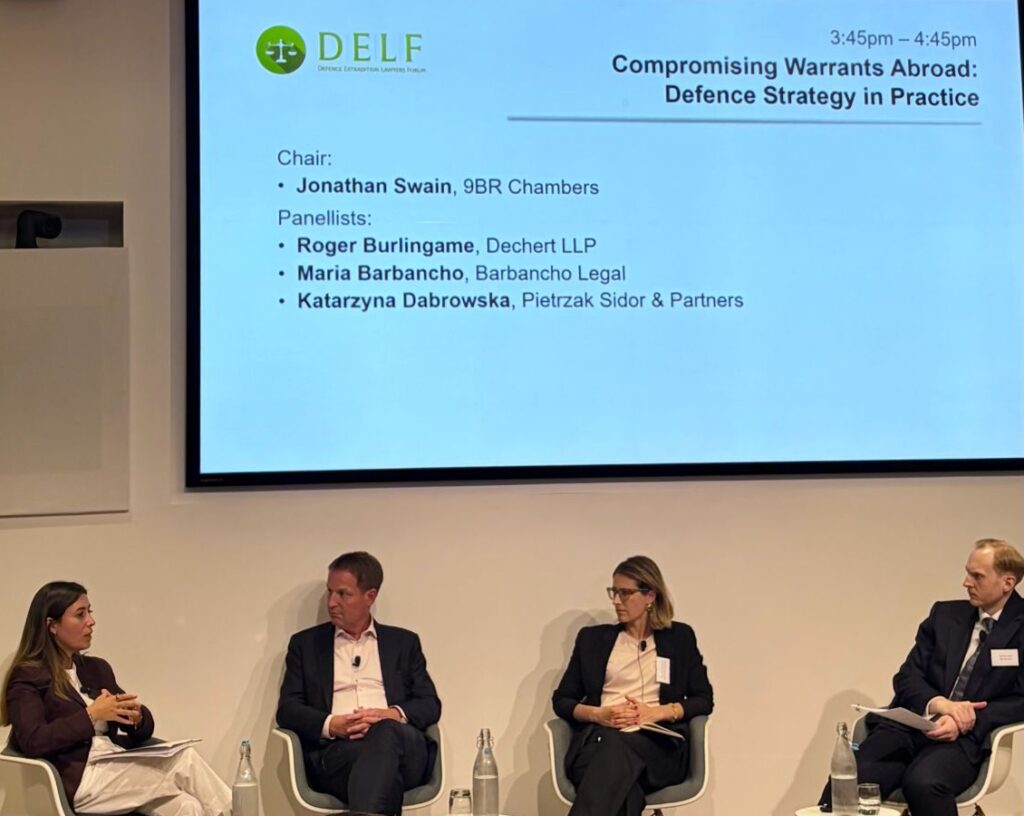
On 18 September 2026, Sophia Bidine attended the annual conference of the Defence Extradition Lawyers Forum (“DELF”), held in London. The discussions focused on the challenges facing extradition proceedings, and more specifically: the changes introduced by the Crime and Policing Act 2026 to UK extradition procedure; the use of international
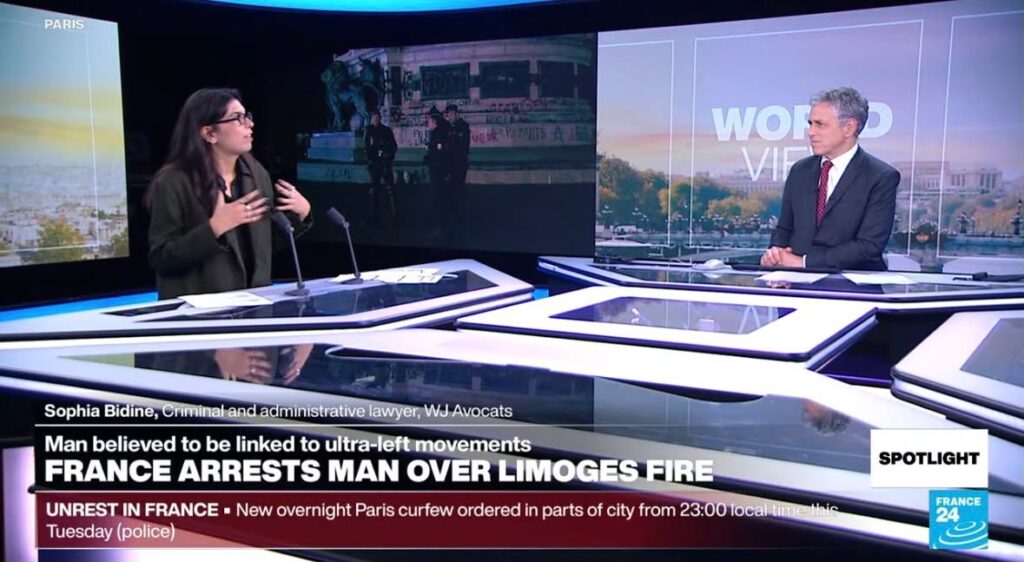
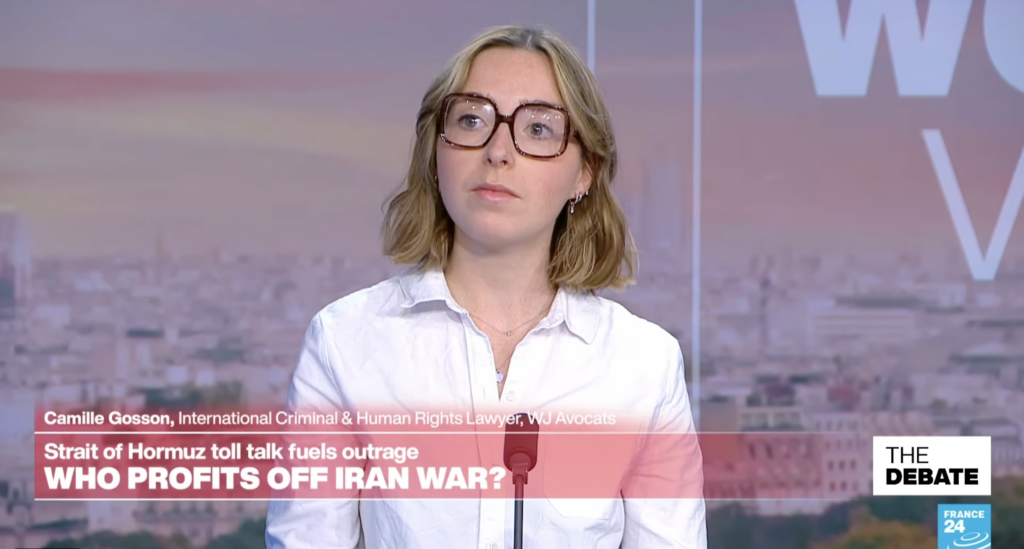
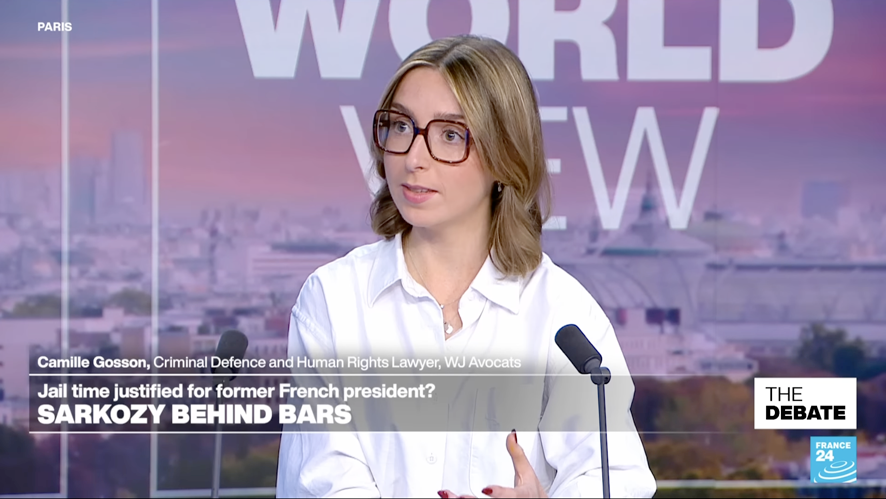
On The Debate on France 24, Camille Gosson examined questions surrounding the accountability of those who profit from armed conflicts, the ethical issues faced by companies, the means of identifying such practices, and the mechanisms likely to deter those who might be tempted to engage in them. She also stressed
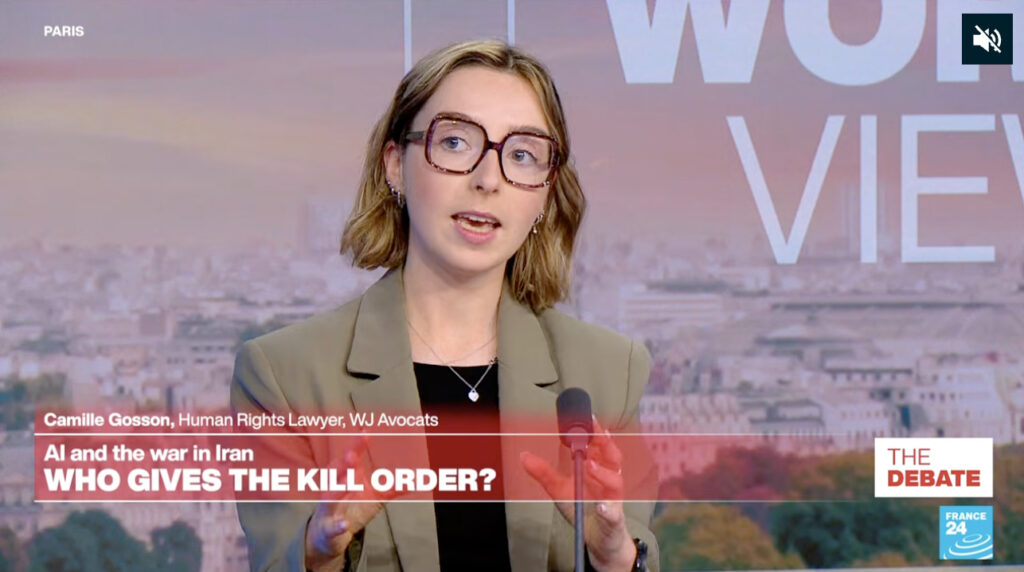
Camille Gosson participated to The Debate, on the day Nicolas Sarkozy started executing his sentence, as the Court of First Instance found him guilty of criminal conspiracy and convicted him to 5 years of imprisonment, with immediate effect, despite his appeal and the principle of suspensive effect under French law.
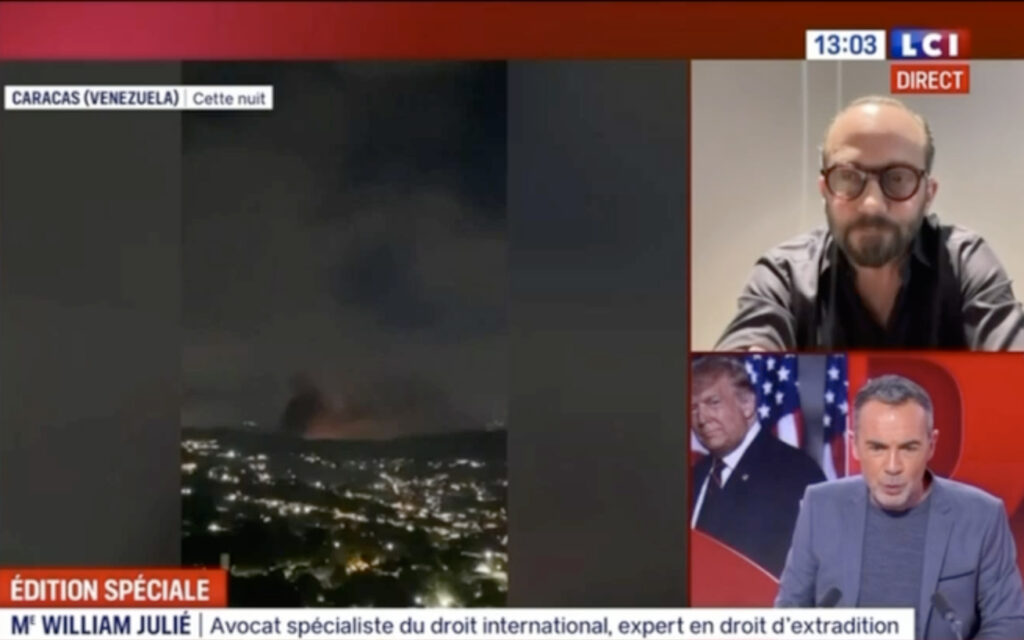
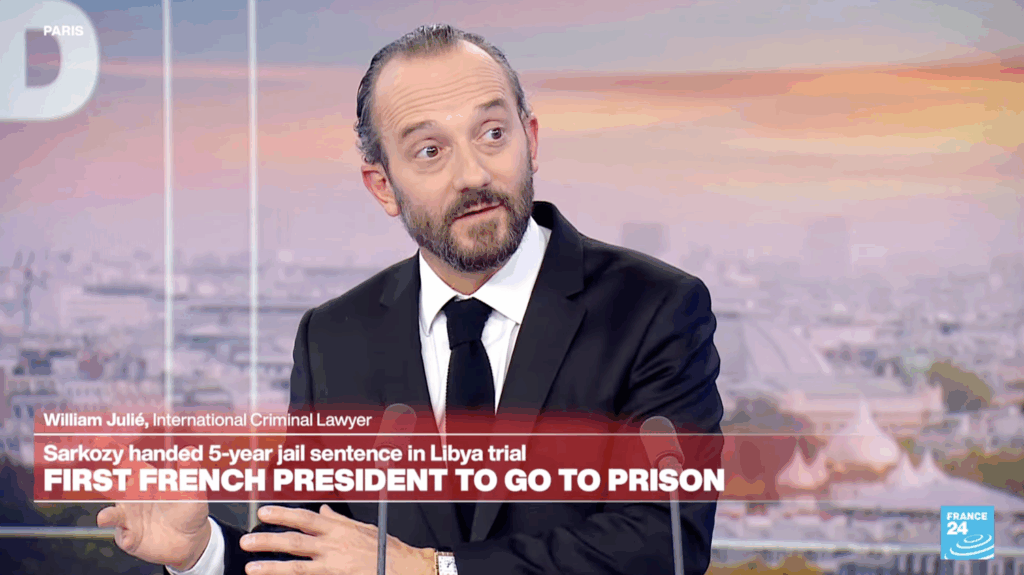
William Julié comments on the recent conviction of former French President Nicolas Sarkozy, who was sentenced to five years’ imprisonment for criminal association in connection with the “Libyan case.” He provides insight into the nature of this offence as well as the mechanism of provisional enforcement of the sentence.
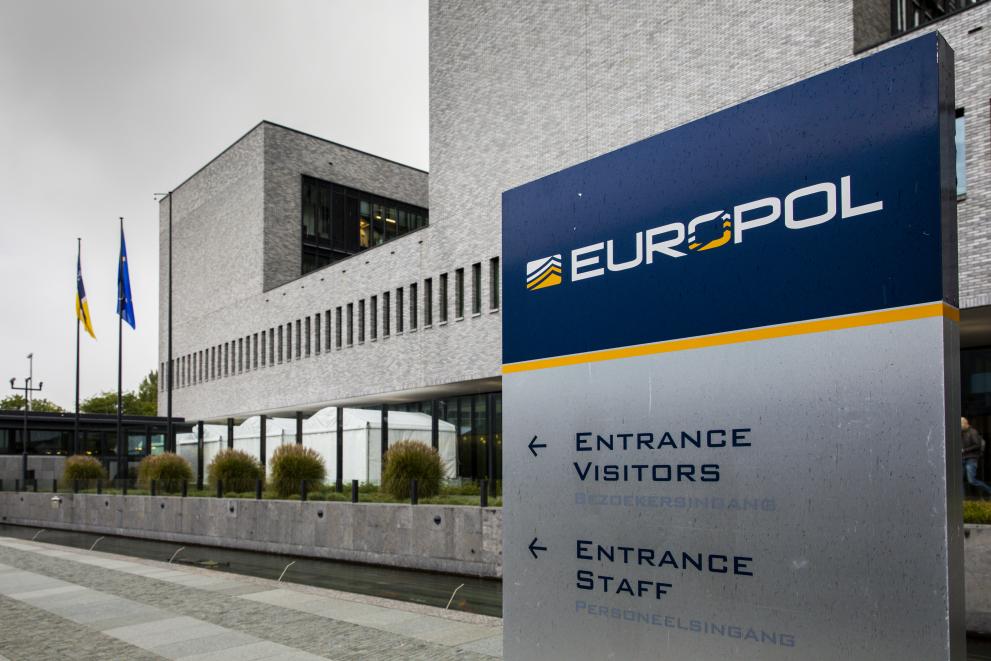
On 24 June 2026, the European Commission presented a proposal for a Regulation on the European Union Agency for Law Enforcement Cooperation (Europol)[1]. The text would repeal Regulation (EU) 2016/794 of 11 May 2016 (the “Europol Regulation”), which currently governs the Agency, and replace it with a new legal framework[2].
William Julié, Amélie Beauchemin and Elena Moreno co-authored the France chapter of the ICLG Sanctions Laws and Regulations 2027 (Eighth Edition), published by Global Legal Group. The chapter is a Q&A mapping the French sanctions framework as it stands in 2026: the four autonomous national regimes (terrorism, foreign interference, drug
In an article recently published in the International Comparative Legal Guides (ICLG)’s Sanctions Laws and Regulations 2027 guide, entitled “Where sanctions meet criminal law: blurring of legal boundaries”, William Julié, Elena Moreno and Amélie Beauchemin examine the European Commission and the High Representative’s proposal of 9 July 2026 for a
The Sanctions Committee of the French Anticorruption Agency (AFA) has, for the first time since its creation, imposed a financial penalty [1] on a company and its CEO for failing to fulfil their legal obligations to implement compliance programmes, without a preliminary injunction. As a reminder, the Sapin II Law
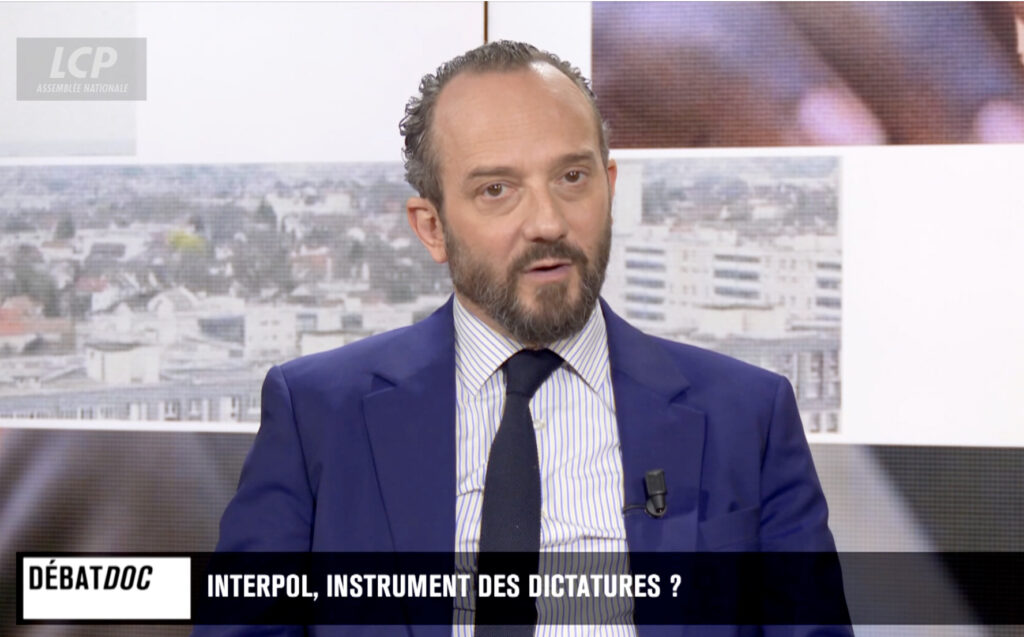
The European Criminal Bar Association has published a report entitled “Safeguarding INTERPOL’s Systems: Recommendations for Reform”, which William Julié and Camille Gosson co-authored with fellow INTERPOL practitioners Vânia Costa Ramos, Rebecca Niblock, Alex Tinsley, Jago Russell, and Sören Schomburg. This report was prepared with the active engagement of the Commission
Review of the 2024 CCF Activity Report, accessible here: https://www.interpol.int/Who-we-are/Commission-for-the-Control-of-INTERPOL-s-Files-CCF/About-the-CCF
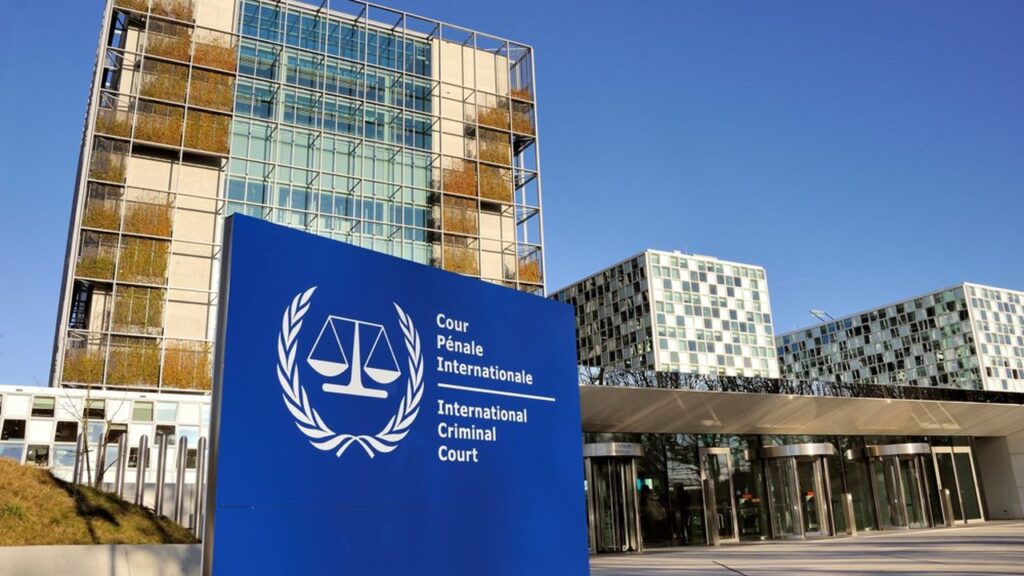
Speaking on RFI – Radio France Internationale, William Julié provided his legal analysis of the submission by the israeli NGO Shurat HaDin to the International Criminal Court, highlighting the complexity of the mechanisms for establishing international criminal liability as well as the particularly high evidentiary standards required by the ICC.