News

News

From 16 to 17 September, Amélie Beauchemin attended a conference on the EPPO and the Protection of the European Union’s financial interests, held at the Fondazione Lelio e Lisli Basso in Rome. She was invited as co-author, with William Julié, of the French chapter of the European Public Prosecutor’s Office

On 3 September, the Court of Justice of the European Union clarified the mechanism for freezing assets at national level. The practice has spread with the application of EU sanctions but remains poorly defined, at both EU and domestic levels. William Julié discussed the Court’s ruling with Andrew Rettman for

The Sanctions Committee of the French Anticorruption Agency (AFA) has, for the first time since its creation, imposed a financial penalty [1] on a company and its CEO for failing to fulfil their legal obligations to implement compliance programmes, without a preliminary injunction. As a reminder, the Sapin II Law

William Julié recently participated in a virtual press conference dedicated to the legal challenge brought before the General Court of the European Union against the restrictive measures adopted by the Council of the European Union against Mr. Jacques Baud. Mr. Baud, a retired Colonel of the Swiss Army General Staff

William Julié took part in a discussion among European lawyers on the comparisons between the French and English legal systems, during the ECBA’s annual conference in Barcelona, on the Full Comment podcast hosted by Danielle Reece-Greenhalgh and Edward Grange.

Speaking on RFI – Radio France Internationale, William Julié provided his legal analysis of the submission by the israeli NGO Shurat HaDin to the International Criminal Court, highlighting the complexity of the mechanisms for establishing international criminal liability as well as the particularly high evidentiary standards required by the ICC.

William Julié provided his legal analysis of the communication submitted by the NGO Shurat HaDin to the International Criminal Court, which illustrates the complexity of the mechanisms for triggering international criminal responsibility and the particularly high evidentiary requirements before the ICC. He noted that the NGO has indicated its view

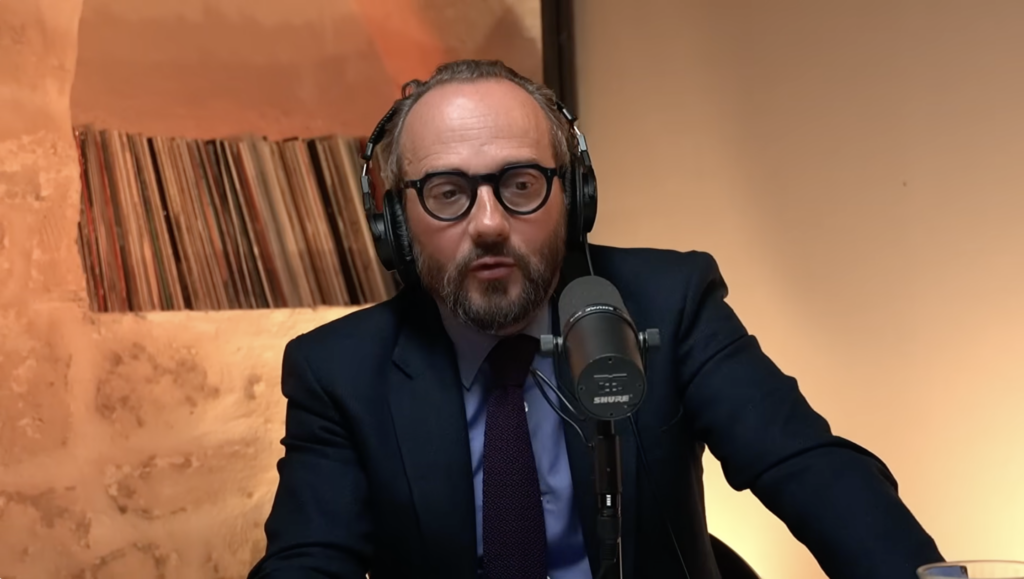
As a guest on the “Contact” podcast hosted by Stéphan Bureau, alongside Jacques Baud, who the Firm is representing before the Court of Justice of the European Union (CJEU), William Julié discussed the issues surrounding freedom of expression in the context of European sanctions. Jacques Baud is subject to restrictive

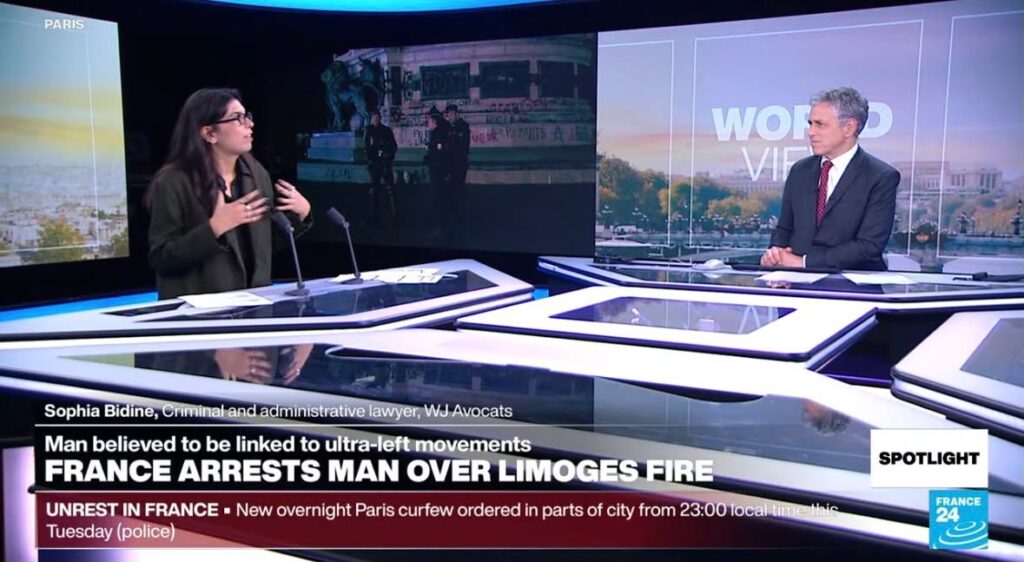
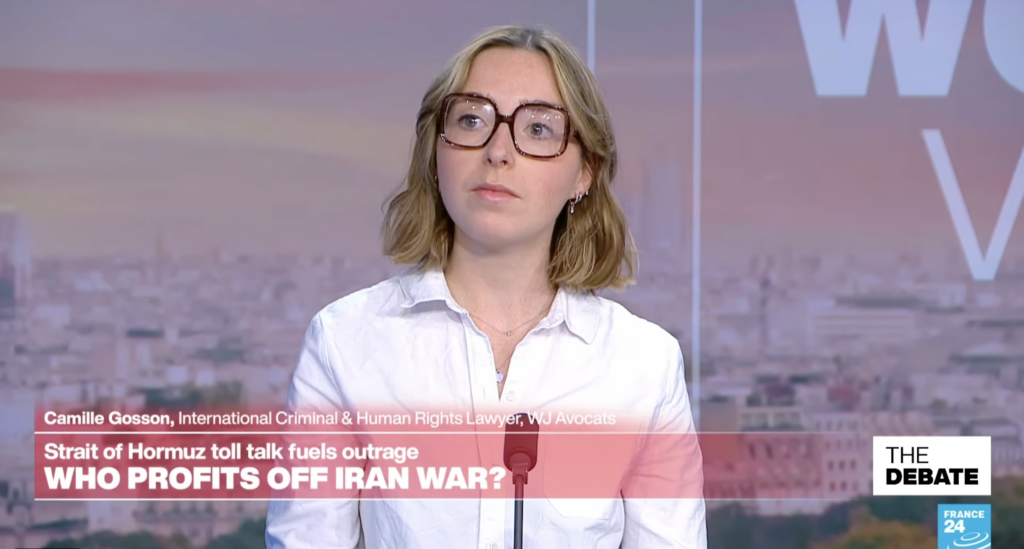
On The Debate on France 24, Camille Gosson examined questions surrounding the accountability of those who profit from armed conflicts, the ethical issues faced by companies, the means of identifying such practices, and the mechanisms likely to deter those who might be tempted to engage in them. She also stressed

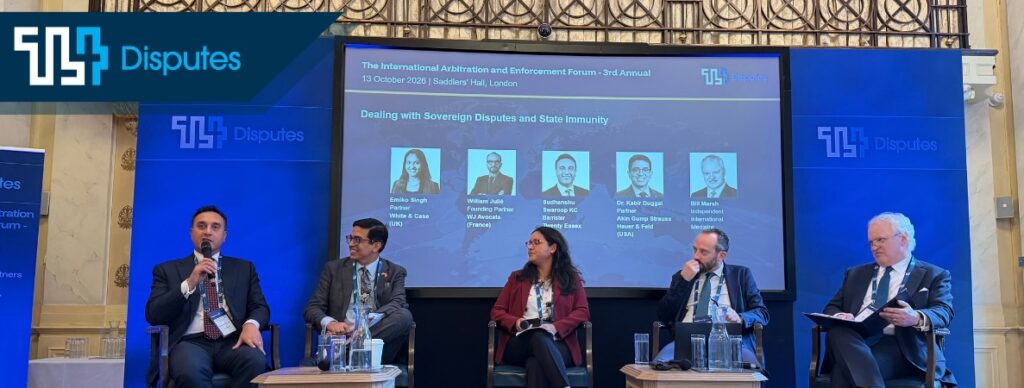
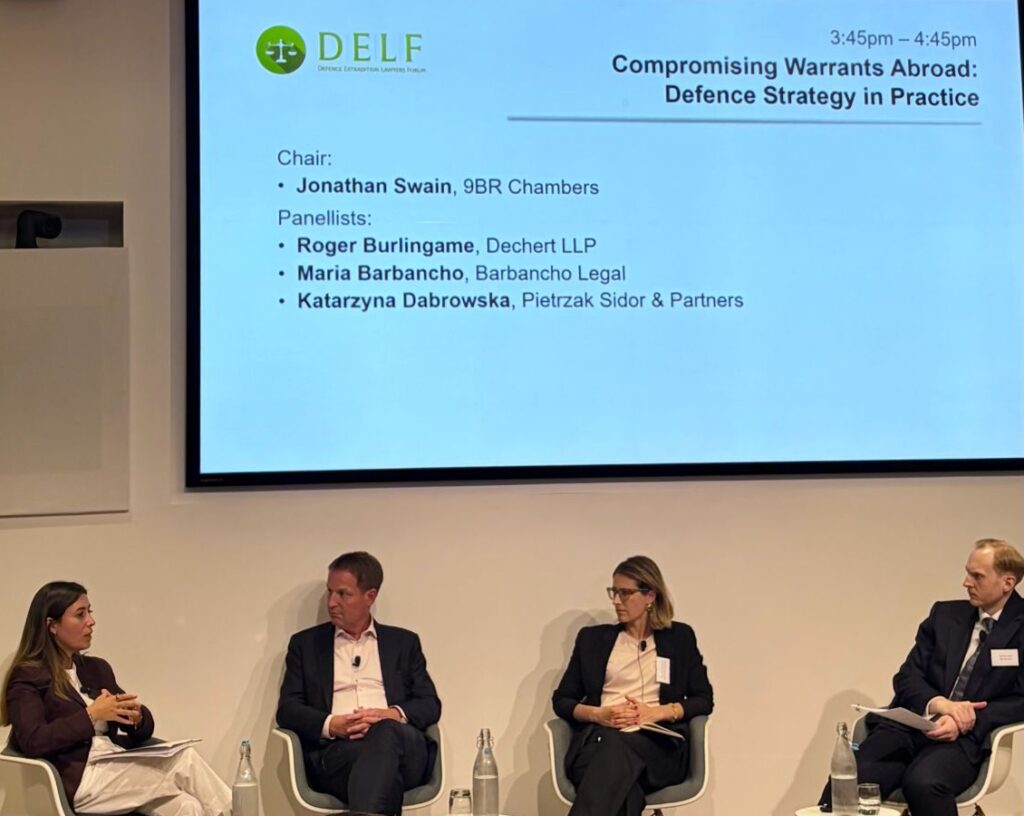
On 18 September 2026, Sophia Bidine attended the annual conference of the Defence Extradition Lawyers Forum (“DELF”), held in London. The discussions focused on the challenges facing extradition proceedings, and more specifically: the changes introduced by the Crime and Policing Act 2026 to UK extradition procedure; the use of international

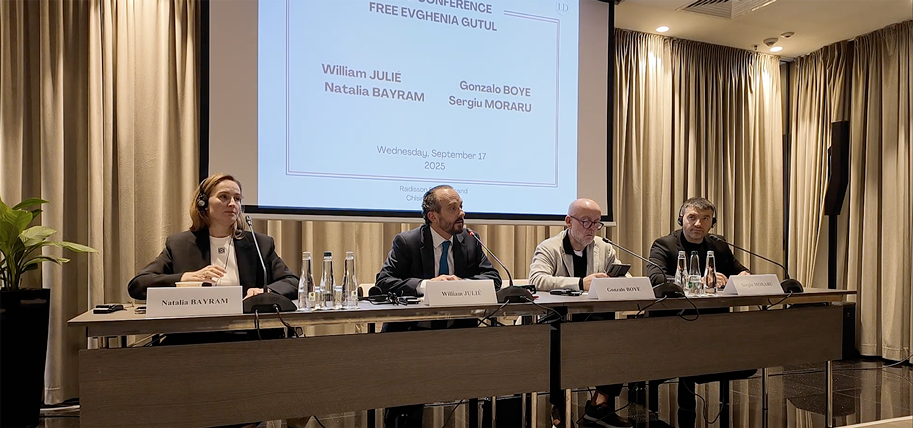
William Julié and Gonzalo Boye comment on the situation of one of their clients, Ms. Evghenia Gutul, Governor of Gagauzia in Moldova, who was sentenced to seven years' imprisonment following proceedings marked by serious violations of her fundamental rights
William Julié comments on the British bill regarding the expulsion of asylum seekers to Rwanda.

On March 4th 2024, Maître Amélie Beauchemin was invited to France24 alongside Charlotte Minvielle, Alice Ackermann and Hélène de Lauzun to debate the recent enshrinement of the freedom to have an abortion in the French Constitution. On March 8th, the French Constitution was amended to include the freedom to have

Maître Julié discusses the Minister of the Interior's decision to withdraw the residence permit of an imam, in preparation for his expulsion.
Maître Julié provides commentary during the national ceremony held in honor of Robert Badinter. He looks back at the legacy left by the former Minister of Justice, who dedicated his life to the fight against capital punishment.

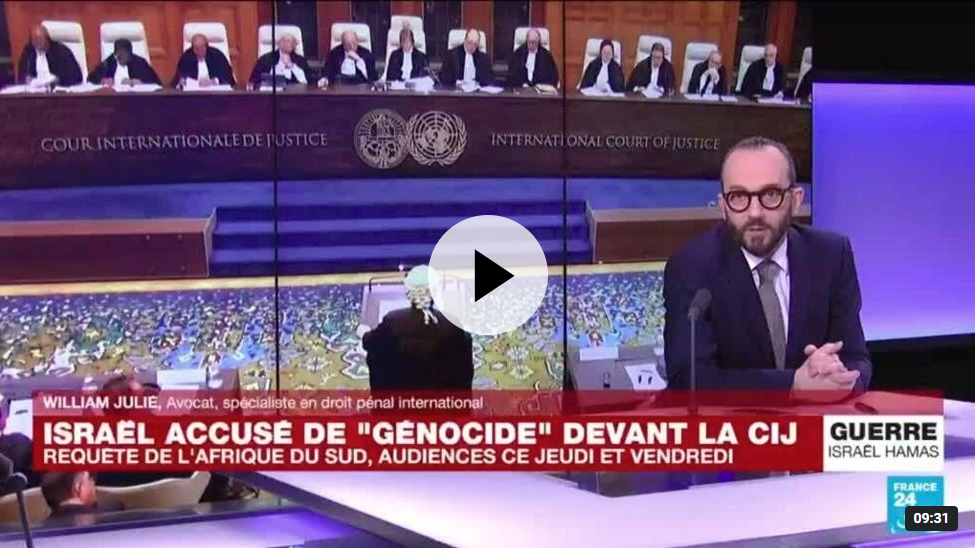
Maître Julié was invited by France 24 following the hearing at the International Court of Justice on the case 𝘚𝘰𝘶𝘵𝘩 𝘈𝘧𝘳𝘪𝘤𝘢 𝘷. 𝘐𝘴𝘳𝘢𝘦𝘭 regarding alleged violations of the Convention on the Prevention and Punishment of the Crime of Genocide by Israel against the Palestinian people in Gaza. In a politically

Maître Julié reacts to the situation of the plane immobilized in the Marne department coming from India, and talks about the asylum application procedure in front of OFPRA to obtain refugee status following suspicions of human trafficking.

Maître William JULIÉ provided details on the complaint lodged by associations regarding racial profiling practices by the police in the context of identity checks. After outlining the scope of such checks and their various legal bases they rely upon, he emphaisized the risks of profiling during administrative police checks in

William JULIÉ debated about the shooting of a teenager by a police officer who is now facing murder charges. He discussed the legal frameworks applicable to the use of firearms by French police but also more in depth the unresolved issues of French society with its banlieues.

William JULIÉ reacted to Eya’s abduction by her father and the arrest of the latter in Denmark. He explained the rules governing international child abduction, the European arrest warrant mechanism and other points of criminal international law.

William Julié, counsel for Carole Ghosn, a US national, spoke to Le Figaro Magazine about INTERPOL’s decision to maintain the red notice issued against her in 2020 at the request of Japan. The notice effectively prevents her from flying to the United States, and forces her to remain in Lebanon,

On 22 September, after a one-week delay and a few hours before midnight, the Member States agreed to renew the EU sanctions list targeting Russia. The agreement provides for the delisting of three natural persons, including Alisher Usmanov and Mikhail Fridman, and one legal entity. It locks in the amended

On 3 September, the Court of Justice of the European Union clarified the mechanism for freezing assets at national level. The practice has spread with the application of EU sanctions but remains poorly defined, at both EU and domestic levels. William Julié discussed the Court’s ruling with Andrew Rettman for

William Julié announced Google International LLC was recently served by bailif with a protective seizure on behalf of the liquidator of its subsidiary, Google Russia. This measure will be followed by exequatur proceedings before the Paris Judicial Court.
William Julié recently explained the impact of Andrej Babiš's personal immunity, the new Czech Prime Minister, before the French courts.
William Julié discusses the challenges faced by lawyers in administrative and judicial disputes before European institutions regarding European sanctions.
Camille Gosson comments on the situation of Evghenia Gutul, Governor of Gagauzia in Moldova, on the occasion of her appeal hearing against the verdict sentencing her to seven years' imprisonment, following proceedings marked by serious violations of her fundamental rights
William Julié comments on the situation of one of his clients, Ms Evghenia Gutul, Governor of Gagauzia in Moldova, who was sentenced to seven years' imprisonment following proceedings marked by serious violations of her fundamental rights
Maître William Julié comments the situation of one of his clients, Mr. Djordje Radujkovic, targeted by a European Arrest Warrant issued by Croatia on political grounds

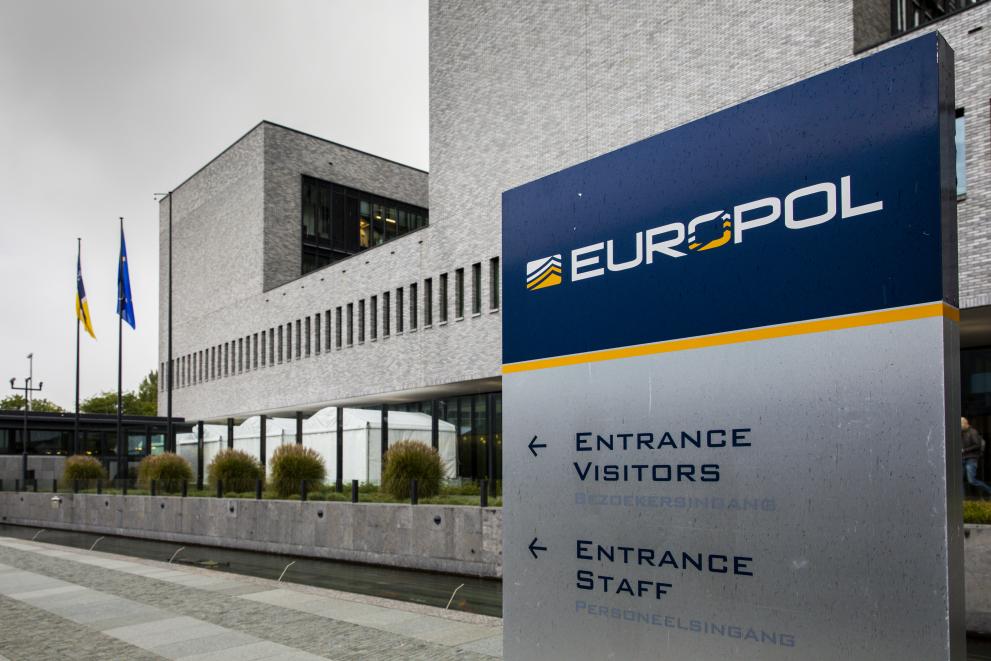
On 24 June 2026, the European Commission presented a proposal for a Regulation on the European Union Agency for Law Enforcement Cooperation (Europol)[1]. The text would repeal Regulation (EU) 2016/794 of 11 May 2016 (the “Europol Regulation”), which currently governs the Agency, and replace it with a new legal framework[2].

William Julié, Amélie Beauchemin and Elena Moreno co-authored the France chapter of the ICLG Sanctions Laws and Regulations 2027 (Eighth Edition), published by Global Legal Group. The chapter is a Q&A mapping the French sanctions framework as it stands in 2026: the four autonomous national regimes (terrorism, foreign interference, drug

In an article recently published in the International Comparative Legal Guides (ICLG)’s Sanctions Laws and Regulations 2027 guide, entitled “Where sanctions meet criminal law: blurring of legal boundaries”, William Julié, Elena Moreno and Amélie Beauchemin examine the European Commission and the High Representative’s proposal of 9 July 2026 for a

The Sanctions Committee of the French Anticorruption Agency (AFA) has, for the first time since its creation, imposed a financial penalty [1] on a company and its CEO for failing to fulfil their legal obligations to implement compliance programmes, without a preliminary injunction. As a reminder, the Sapin II Law

The European Criminal Bar Association has published a report entitled “Safeguarding INTERPOL’s Systems: Recommendations for Reform”, which William Julié and Camille Gosson co-authored with fellow INTERPOL practitioners Vânia Costa Ramos, Rebecca Niblock, Alex Tinsley, Jago Russell, and Sören Schomburg. This report was prepared with the active engagement of the Commission

Review of the 2024 CCF Activity Report, accessible here: https://www.interpol.int/Who-we-are/Commission-for-the-Control-of-INTERPOL-s-Files-CCF/About-the-CCF

The Firm contributes to the 2025 edition of the ICLG Sanctions Guide.
The Firm contributes to the Global Practice Guide on Sanctions published by Chambers and partners.
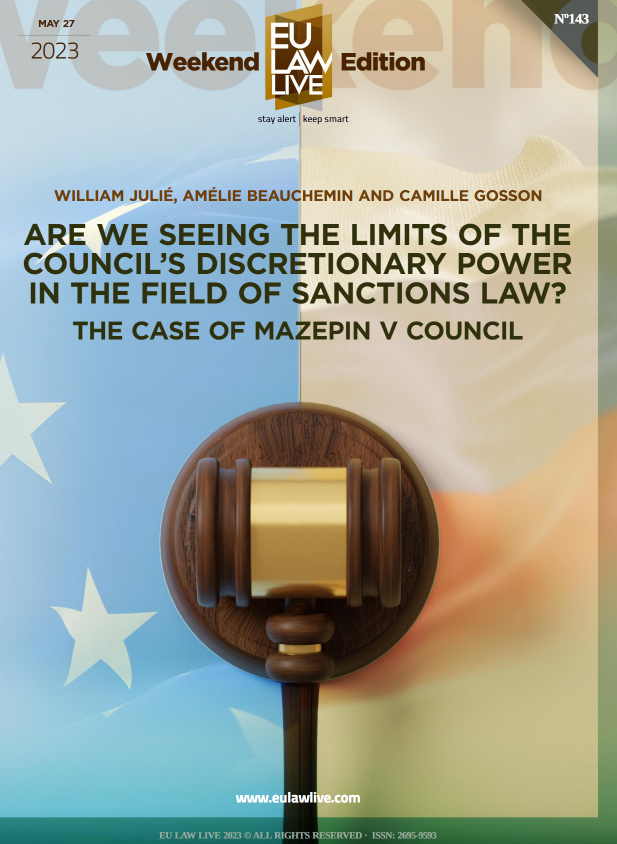
The Firm writes an article on the case of Mazepin v. Council before the Court of Justice of the European Union.

Speaking on RFI – Radio France Internationale, William Julié provided his legal analysis of the submission by the israeli NGO Shurat HaDin to the International Criminal Court, highlighting the complexity of the mechanisms for establishing international criminal liability as well as the particularly high evidentiary standards required by the ICC.

Maître Julié clarifies the question of Benjamin Netanyahu's immunity before the International Criminal Court