News

News

William Julié comments on INTERPOL's CCF decision to remove the Red Notice issued against his client, Paul Watson
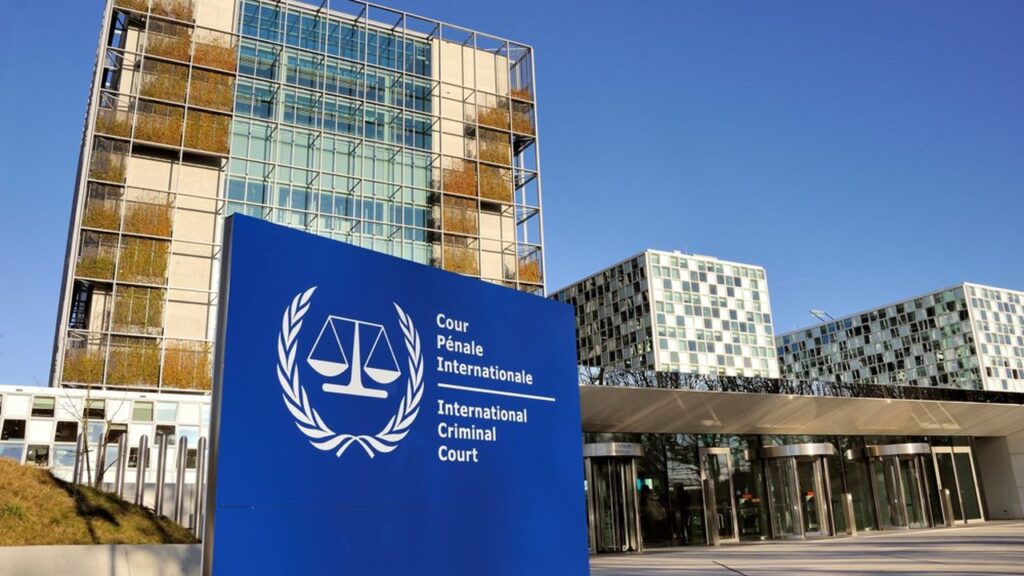
William Julié provides legal clarification on the jurisdiction of the ICC following the arrest of Rodrigo Duterte.
Camille Gosson comments on the possible legalization of euthanasia and assisted suicide by the French Parliament and the european legal framework on the right to die in dignity
Maître Julié comments on the suspension of the Red Notice against Paul Watson and recalls that the legal battle is still ongoing.
Maître William Julié comments on the decsision by INTERPOL’s CCF to suspend the Red Notice issued against his client, activist Paul Watson.
Maître Julié comments on and analyses the conviction of Marine Le Pen for misappropriation of public funds, with a five-year ineligibility sentence.
Maître Julié comments on Algeria's refusal to repatriate its nationals, in the context of the knife attack in Mulhouse.
Maître Julié provides some legal explanations on the European arrest warrant in the context of Mohamed Amra's arrest.
Maître Beauchemin emphasises the restrictive nature of the offence of participation in a mercenary activity under French criminal law and the resulting difficulty of prosecuting French dual nationals working for private military companies in the Democratic Republic of the Congo on these grounds.

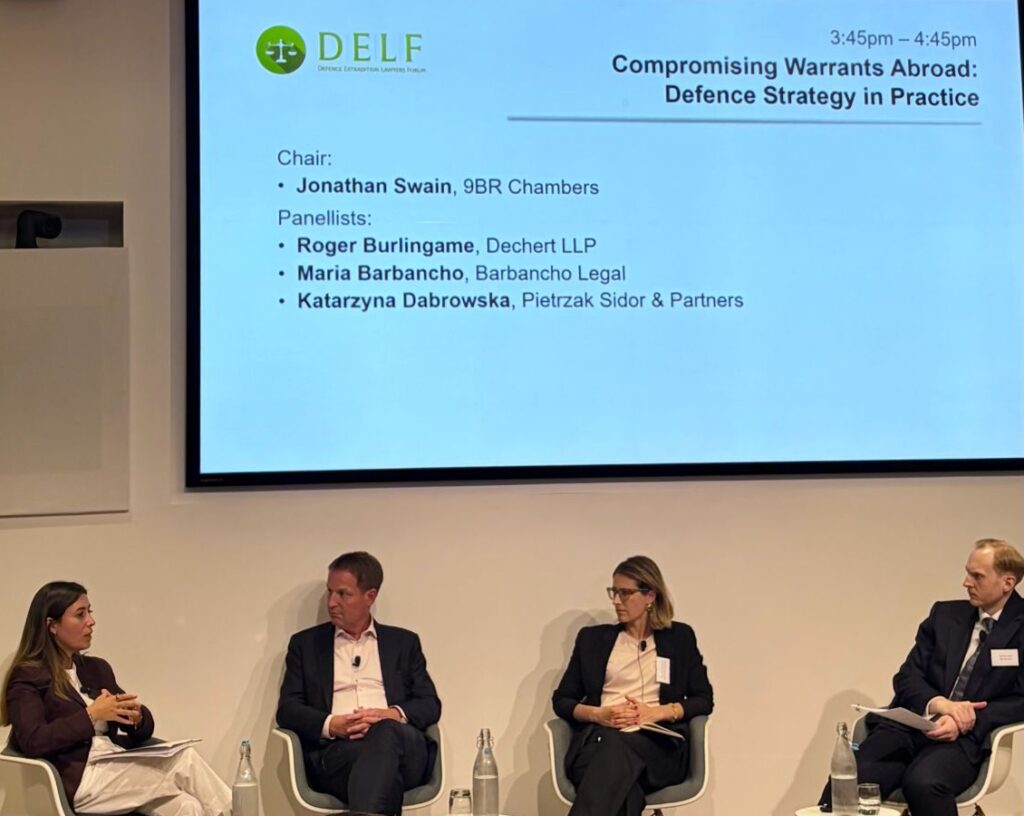
On 18 September 2026, Sophia Bidine attended the annual conference of the Defence Extradition Lawyers Forum (“DELF”), held in London. The discussions focused on the challenges facing extradition proceedings, and more specifically: the changes introduced by the Crime and Policing Act 2026 to UK extradition procedure; the use of international

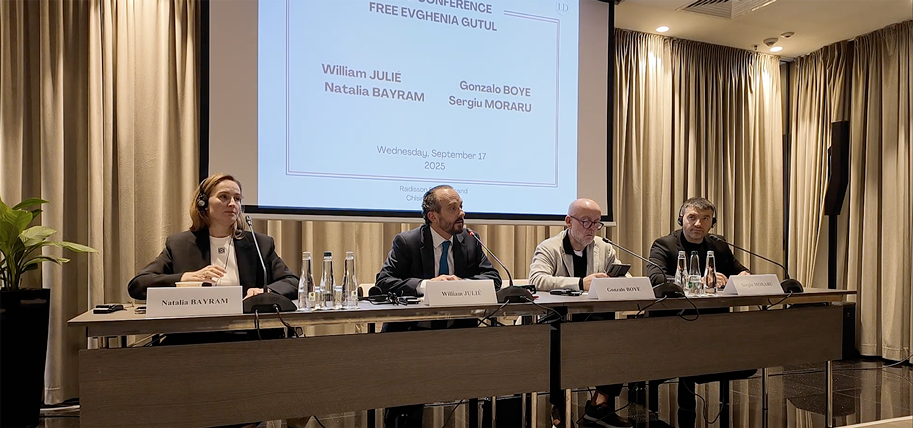
William Julié and Gonzalo Boye comment on the situation of one of their clients, Ms. Evghenia Gutul, Governor of Gagauzia in Moldova, who was sentenced to seven years' imprisonment following proceedings marked by serious violations of her fundamental rights
William Julié comments on the British bill regarding the expulsion of asylum seekers to Rwanda.

On March 4th 2024, Maître Amélie Beauchemin was invited to France24 alongside Charlotte Minvielle, Alice Ackermann and Hélène de Lauzun to debate the recent enshrinement of the freedom to have an abortion in the French Constitution. On March 8th, the French Constitution was amended to include the freedom to have

Maître Julié discusses the Minister of the Interior's decision to withdraw the residence permit of an imam, in preparation for his expulsion.
Maître Julié provides commentary during the national ceremony held in honor of Robert Badinter. He looks back at the legacy left by the former Minister of Justice, who dedicated his life to the fight against capital punishment.

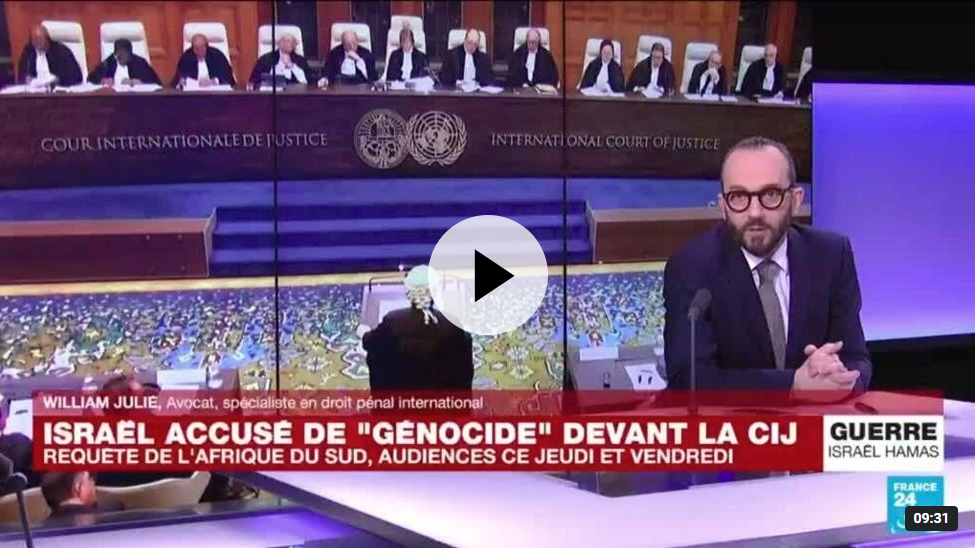
Maître Julié was invited by France 24 following the hearing at the International Court of Justice on the case 𝘚𝘰𝘶𝘵𝘩 𝘈𝘧𝘳𝘪𝘤𝘢 𝘷. 𝘐𝘴𝘳𝘢𝘦𝘭 regarding alleged violations of the Convention on the Prevention and Punishment of the Crime of Genocide by Israel against the Palestinian people in Gaza. In a politically

Maître Julié reacts to the situation of the plane immobilized in the Marne department coming from India, and talks about the asylum application procedure in front of OFPRA to obtain refugee status following suspicions of human trafficking.

Maître William JULIÉ provided details on the complaint lodged by associations regarding racial profiling practices by the police in the context of identity checks. After outlining the scope of such checks and their various legal bases they rely upon, he emphaisized the risks of profiling during administrative police checks in

William JULIÉ debated about the shooting of a teenager by a police officer who is now facing murder charges. He discussed the legal frameworks applicable to the use of firearms by French police but also more in depth the unresolved issues of French society with its banlieues.

William JULIÉ reacted to Eya’s abduction by her father and the arrest of the latter in Denmark. He explained the rules governing international child abduction, the European arrest warrant mechanism and other points of criminal international law.

William Julié comments on INTERPOL's CCF decision to remove the Red Notice issued against his client, Paul Watson
William Julié provides legal clarification on the jurisdiction of the ICC following the arrest of Rodrigo Duterte.
Maître Julié comments on the suspension of the Red Notice against Paul Watson and recalls that the legal battle is still ongoing.
Maître Julié comments on Algeria's refusal to repatriate its nationals, in the context of the knife attack in Mulhouse.
Maître Julié provides some legal explanations on the European arrest warrant in the context of Mohamed Amra's arrest.
Maître Beauchemin emphasises the restrictive nature of the offence of participation in a mercenary activity under French criminal law and the resulting difficulty of prosecuting French dual nationals working for private military companies in the Democratic Republic of the Congo on these grounds.
He also emphasised the possibility of the European Union issuing sanctions against the United States, although this would be subject to a unanimous vote by the EU Council and is eminently political in nature
Maître Julié comments on Denmark's decision to refuse extradition and release Paul Watson
Maître Julié provides Le Figaro with explanations on the question of immunities for incumbent heads of state subject to an arrest warrant issued by the International Criminal Court.

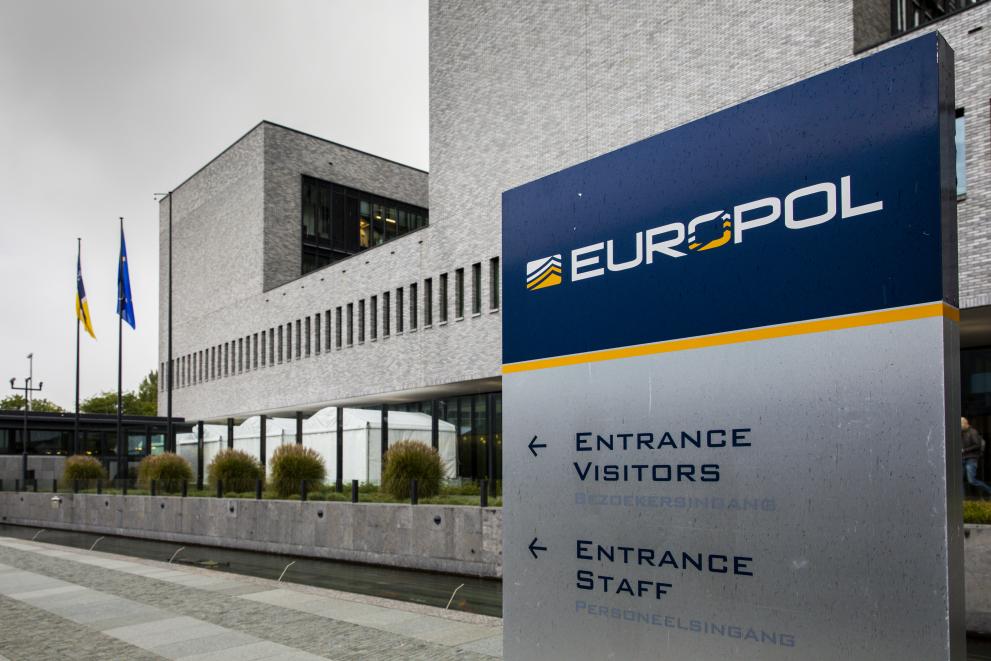
On 24 June 2026, the European Commission presented a proposal for a Regulation on the European Union Agency for Law Enforcement Cooperation (Europol)[1]. The text would repeal Regulation (EU) 2016/794 of 11 May 2016 (the “Europol Regulation”), which currently governs the Agency, and replace it with a new legal framework[2].

William Julié, Amélie Beauchemin and Elena Moreno co-authored the France chapter of the ICLG Sanctions Laws and Regulations 2027 (Eighth Edition), published by Global Legal Group. The chapter is a Q&A mapping the French sanctions framework as it stands in 2026: the four autonomous national regimes (terrorism, foreign interference, drug

In an article recently published in the International Comparative Legal Guides (ICLG)’s Sanctions Laws and Regulations 2027 guide, entitled “Where sanctions meet criminal law: blurring of legal boundaries”, William Julié, Elena Moreno and Amélie Beauchemin examine the European Commission and the High Representative’s proposal of 9 July 2026 for a

The Sanctions Committee of the French Anticorruption Agency (AFA) has, for the first time since its creation, imposed a financial penalty [1] on a company and its CEO for failing to fulfil their legal obligations to implement compliance programmes, without a preliminary injunction. As a reminder, the Sapin II Law

The European Criminal Bar Association has published a report entitled “Safeguarding INTERPOL’s Systems: Recommendations for Reform”, which William Julié and Camille Gosson co-authored with fellow INTERPOL practitioners Vânia Costa Ramos, Rebecca Niblock, Alex Tinsley, Jago Russell, and Sören Schomburg. This report was prepared with the active engagement of the Commission

Review of the 2024 CCF Activity Report, accessible here: https://www.interpol.int/Who-we-are/Commission-for-the-Control-of-INTERPOL-s-Files-CCF/About-the-CCF

The Firm contributes to the 2025 edition of the ICLG Sanctions Guide.
The Firm contributes to the Global Practice Guide on Sanctions published by Chambers and partners.
The Firm writes an article on the case of Mazepin v. Council before the Court of Justice of the European Union.

Speaking on RFI – Radio France Internationale, William Julié provided his legal analysis of the submission by the israeli NGO Shurat HaDin to the International Criminal Court, highlighting the complexity of the mechanisms for establishing international criminal liability as well as the particularly high evidentiary standards required by the ICC.

Maître Julié clarifies the question of Benjamin Netanyahu's immunity before the International Criminal Court